
Home › Projects › LIFE-ARIADNE
LIFE-ARIADNE
Upcycling and Industrial Re-Utilisation of Recycled Carbon Fibres in High-Performance Applications
An EU LIFE project, June 2026 – May 2029

The project
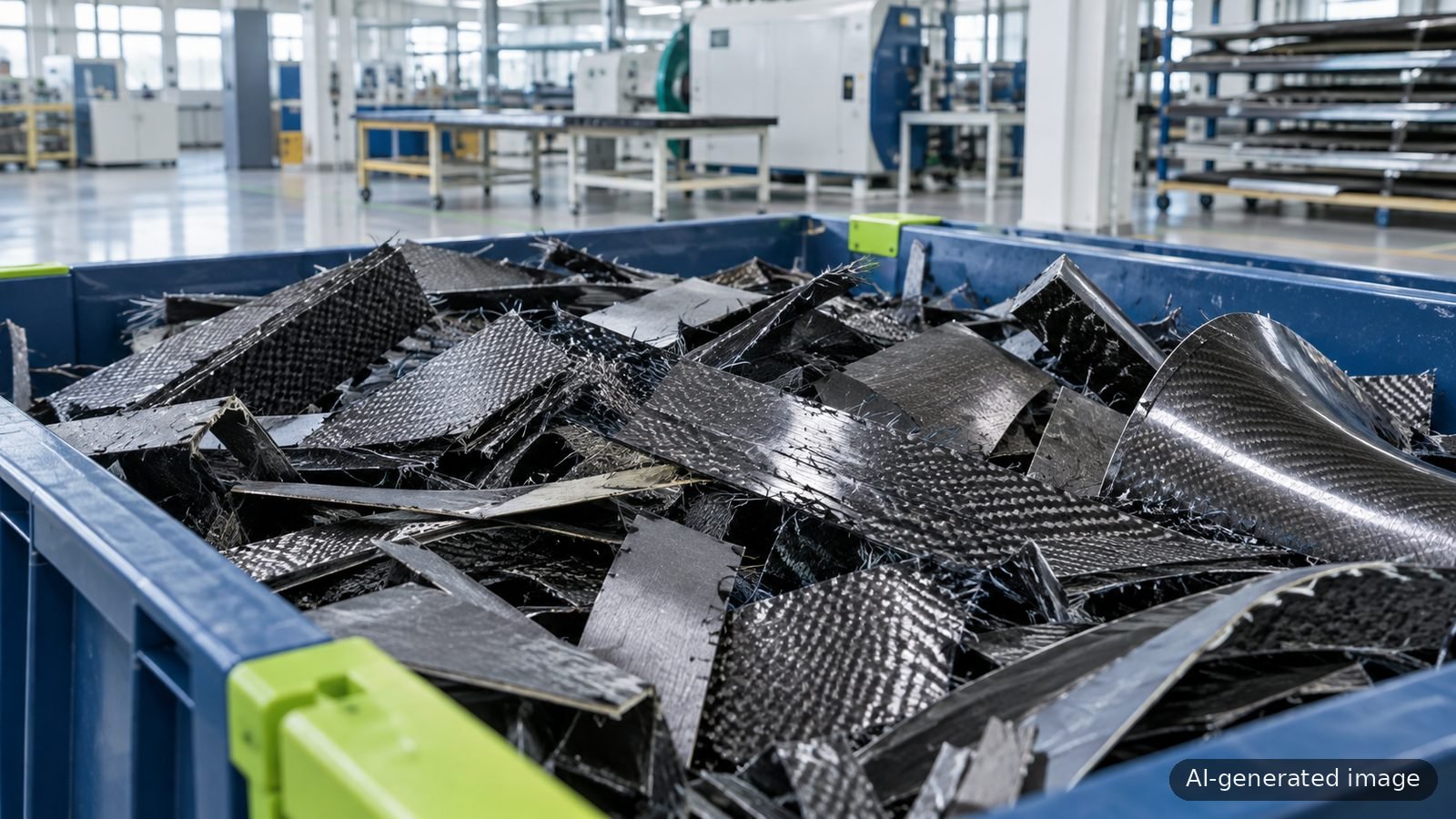
Only a small share of carbon fibre waste is recycled today. Most existing recycling methods produce lower-value short fibres or non-oriented mats.
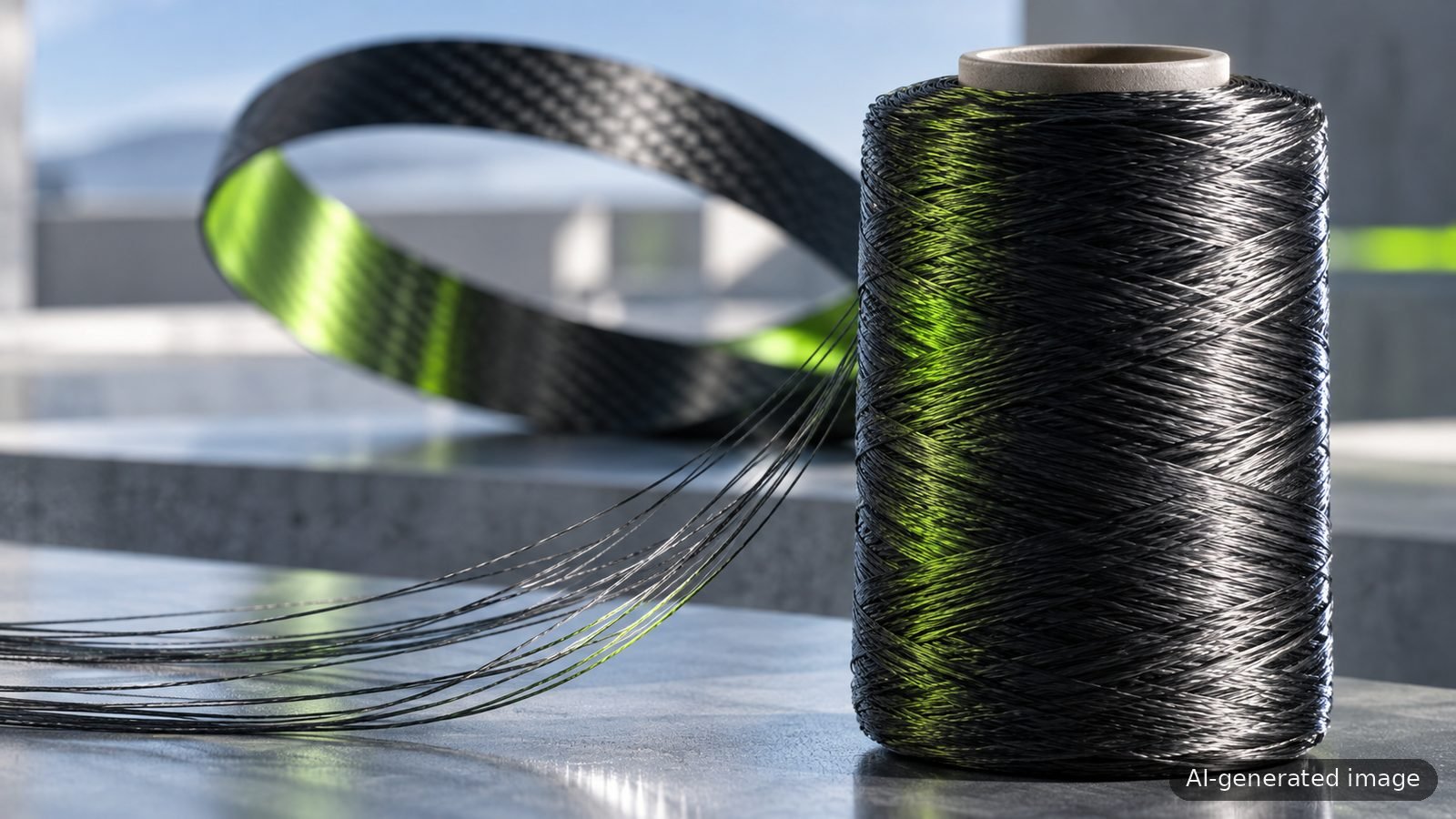
LIFE-ARIADNE aims to turn post-industrial and end-of-life carbon fibre waste into continuous, oriented yarns. The project aims to use these yarns in components with demanding mechanical requirements, for which virgin carbon fibre is currently the only available material.
The value chain
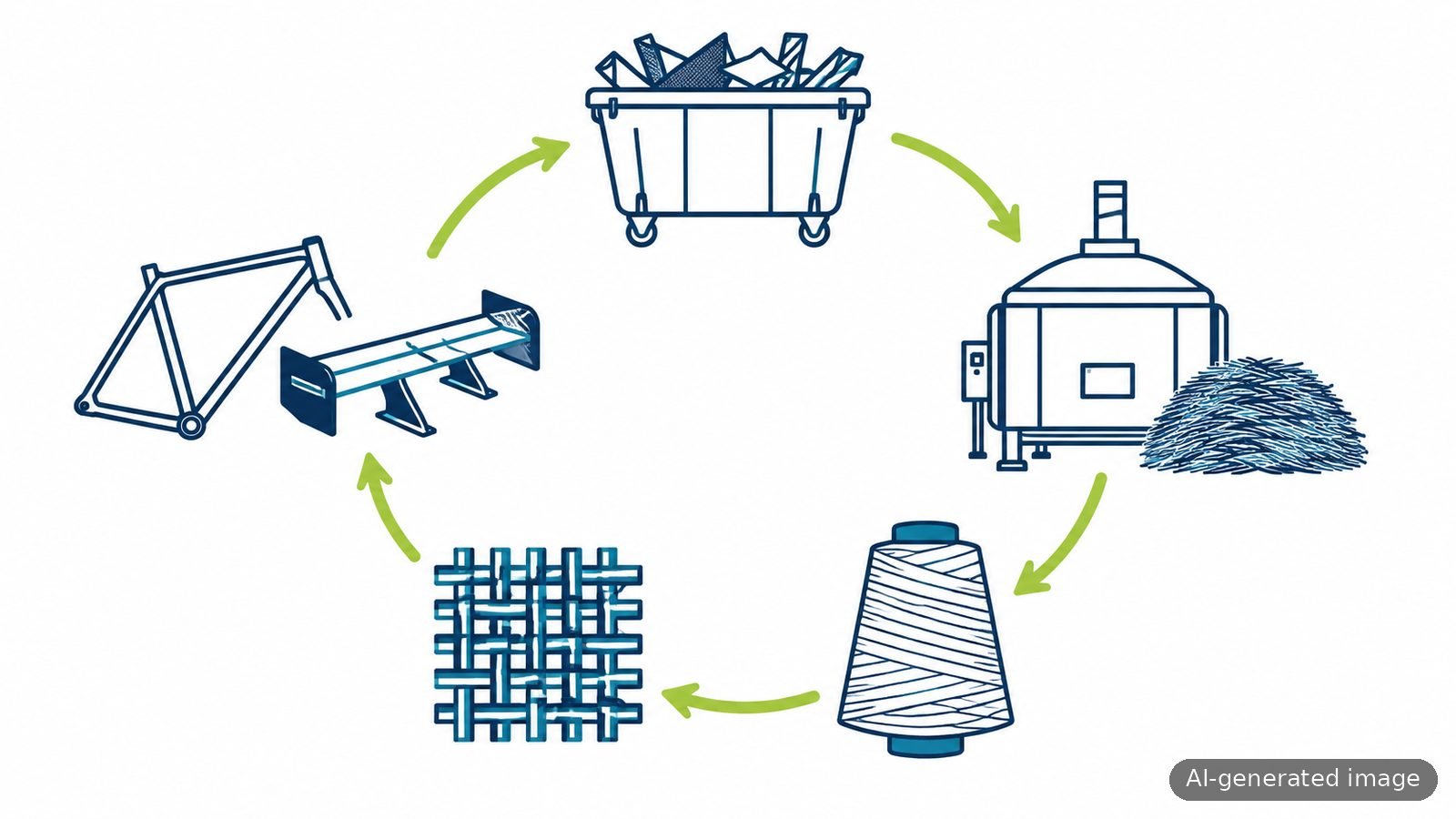
- Collection, sorting and cutting of carbon fibre waste: production scrap and end-of-life parts, including wind turbine blades.
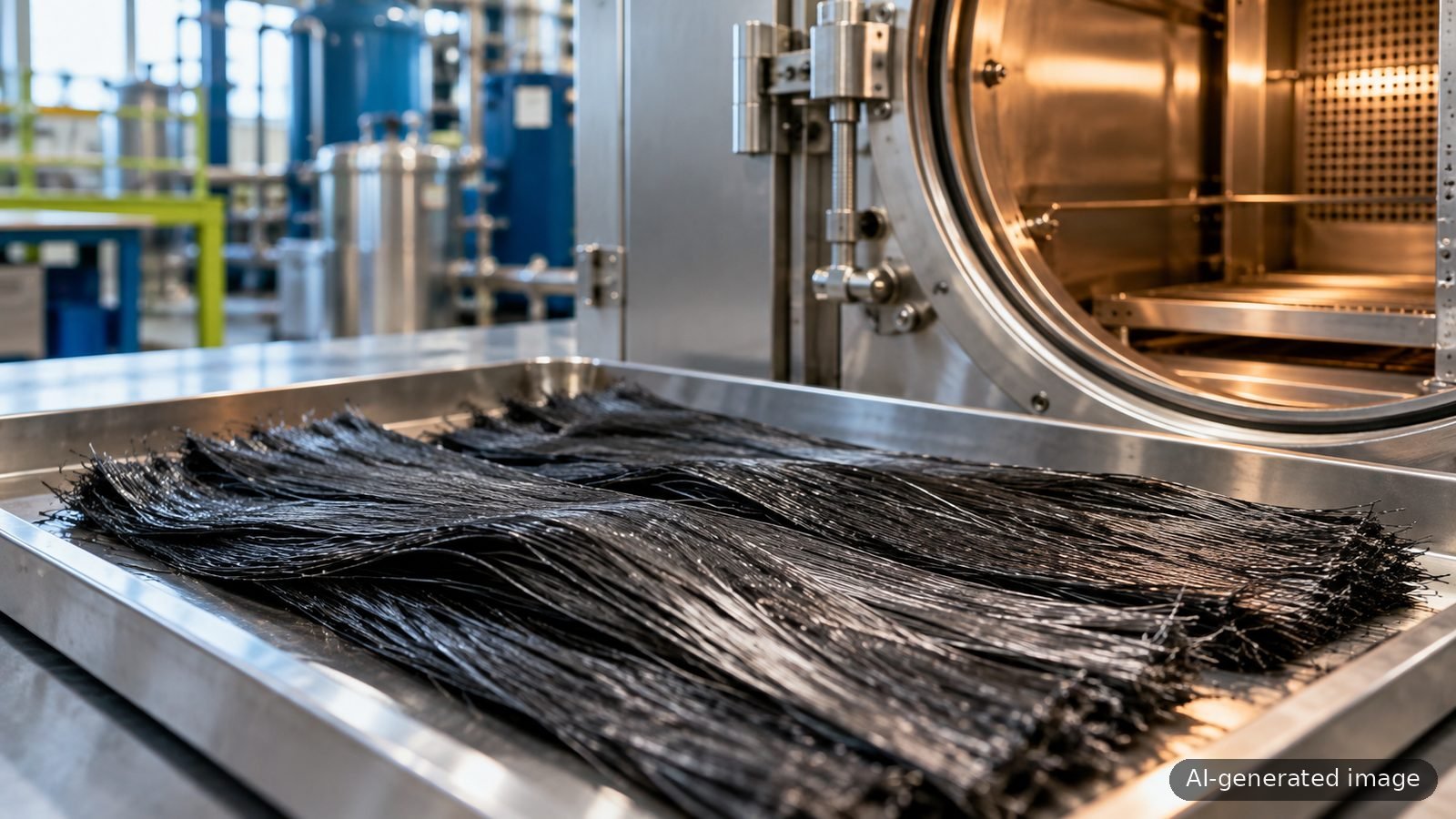
- Fibre recovery by thermolysis, followed by cleaning and re-sizing of the recovered fibre.
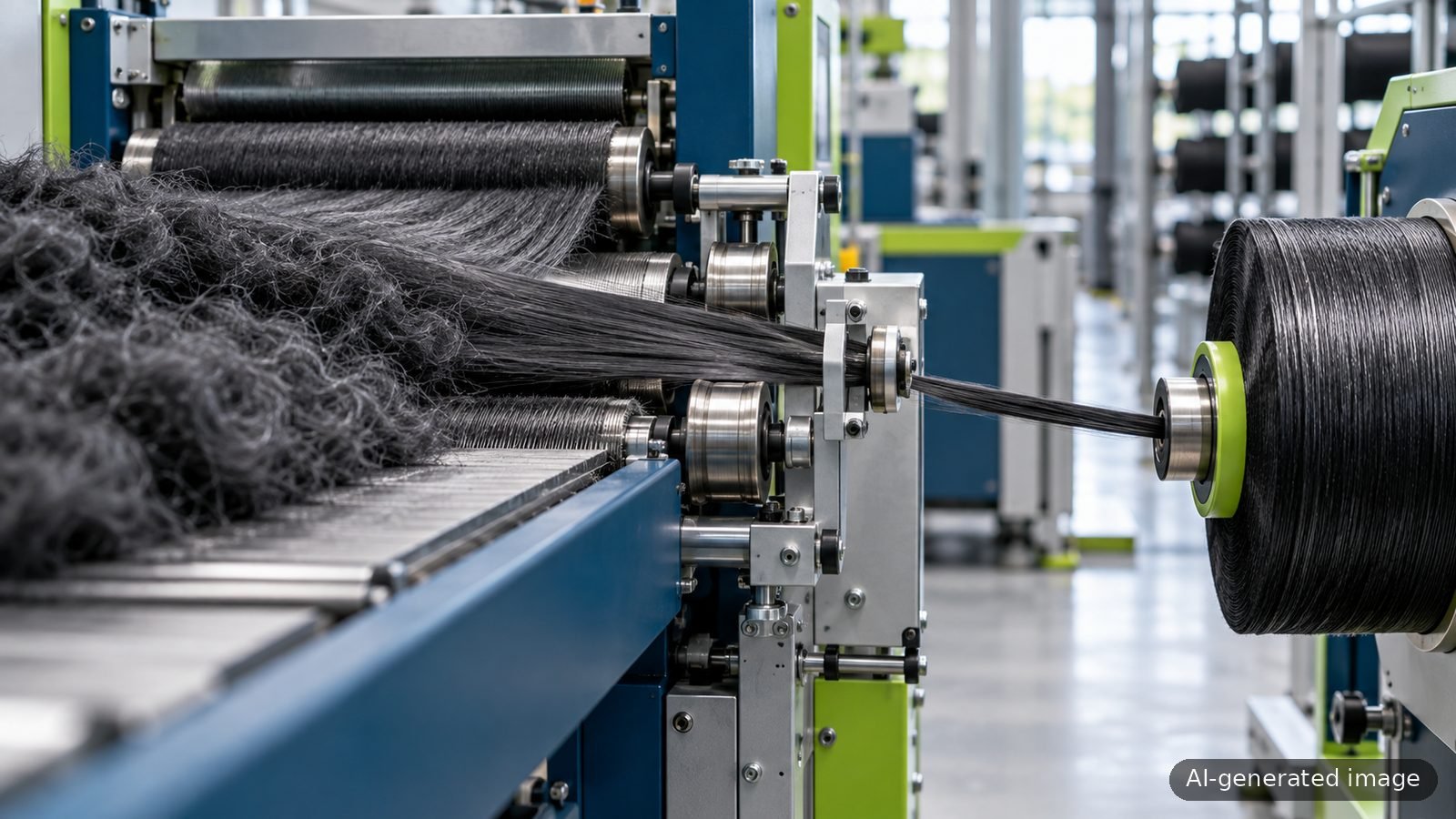
- Carding and spinning into staple-fibre yarns on a pilot yarn line.
- Prepreg fabrics made from the recycled yarns.
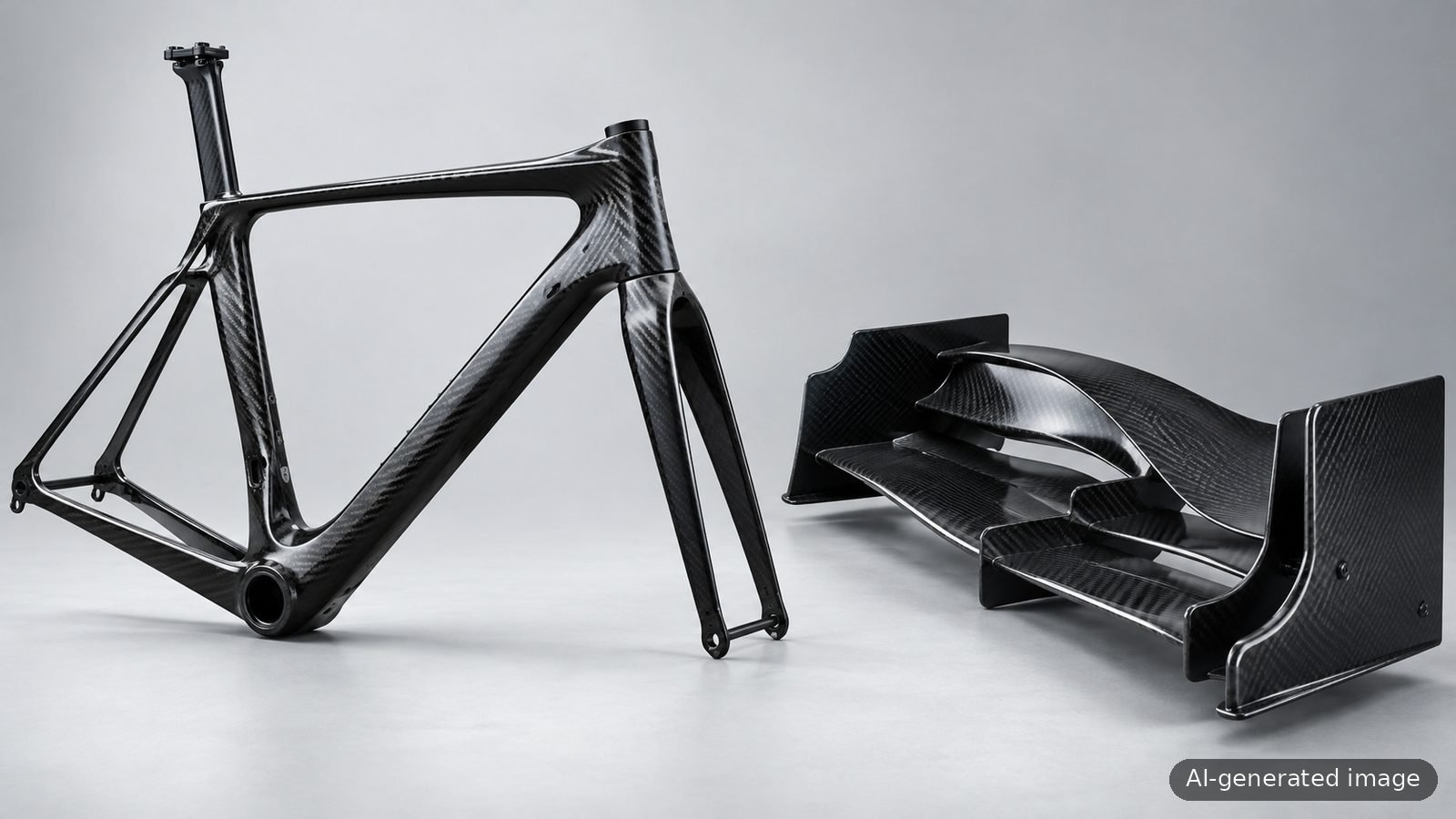
- Demonstrator parts: semi-structural race car and bicycle components.
Every step is accompanied by a life-cycle assessment and a life-cycle cost analysis.
Our role
Composite Recycling France leads the work on thermolysis, fibre cleaning and re-sizing. We adapt our thermolysis process to the project's post-industrial and end-of-life waste, set the degree of cleaning and the fibre properties the downstream steps need, and define how the sizing is reapplied so that the recovered fibre can be processed into yarn.
We also specify, procure and commission a pilot re-sizing line at our site in France, and assess the quality of the sorted material together with our partners.
Targets
During the project, LIFE-ARIADNE aims to produce:
- 70 tonnes of recycled carbon fibre staple-fibre yarns at industrial scale;
- prototype semi-structural components for race cars and bicycles.
Project results
Results will be published on this page as they become available.
Consortium
| Partner | Country | Role in LIFE-ARIADNE |
|---|---|---|
| 2 Gamma Srl (coordinator) | Italy | Project coordination; pilot yarn manufacturing line |
| Stena Recycling | Denmark | Collection, sorting and segmentation of carbon fibre waste, including end-of-life wind turbine blades |
| Composite Recycling France | France | Fibre recovery by thermolysis; re-sizing |
| Technische Universität Dresden, Institute of Textile Machinery (ITM) | Germany | Yarn development and characterisation; environmental and life-cycle assessment |
| Dallara Automobili | Italy | Race car components |
| All Ahead Composites GmbH | Germany | Bicycle components |
Project information
| Grant agreement | 101294199 |
| Programme | LIFE, call LIFE-2025-SAP-ENV |
| Granting authority | European Climate, Infrastructure and Environment Executive Agency (CINEA) |
| Duration | 1 June 2026 – 31 May 2029 (36 months) |
| Coordinator | 2 Gamma Srl, Mondovì, Italy — info@2gammacarbon.it |
| Project website | life-ariadne.eu (under construction) |
| EU project page | LIFE project database |
| Contact at Composite Recycling | Contact form |
Co-funded by the European Union. Views and opinions expressed are however those of the author(s) only and do not necessarily reflect those of the European Union or the European Climate, Infrastructure and Environment Executive Agency (CINEA). Neither the European Union nor the granting authority can be held responsible for them.